


Excellence in quality advancing toward the light

Stable performance during driving provides you with a unique experience. The excellent quality of durability and wear resistance gives you the courage to travel far.

About Our Business Company
Who We Are & Why We’re Different in Business
39+
Years Of Experiences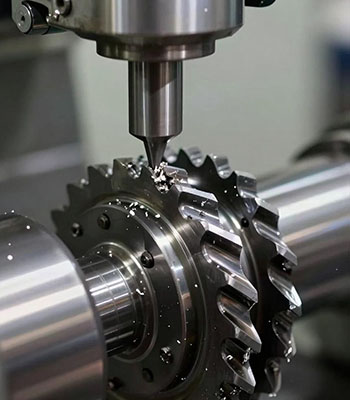
With over thirty years of experience, we manufacture sprockets and chains. Our mission is to provide more stable and wear-resistant sprockets and chains. Innovation and quality are our core values.
- Over 39 years of Business
- 18 million+ users
- Dedicated support and
- Collaborate to deliver
39+
Years of Experience
18000000+
Users
20+
Countries
100%
Client Satisfaction
FAQs & Q&A Sessions
Motorcycle Chain And Sprocket FAQ
The chain size must match the sprockets — a 520 chain needs 520 sprockets, a 525 chain needs 525 sprockets, never mix them. Sizes are measured in eighths of an inch (520, 525, 530, 630); check your owner's manual or the part number for your bike. Tooth count sets the gearing ratio: smaller front / larger rear = more low-end torque but lower top speed, and vice versa.
O-ring: the street standard — seals in grease, low-maintenance, long-lasting, with slightly more friction. Standard (non-sealed): cheaper and less drag, but wears fast once dirt and water reach the rollers; mostly for vintage bikes or specific race setups. For street and touring, choose O-ring.
Steel: more durable and wear-resistant, suited to high-power, off-road and heavy bikes; heavier (about 15–18 oz more than aluminum of the same size), but best value. Aluminum: lighter and better looking (anodized colors available), great for track weight savings; wears faster than steel but the gap is smaller than rumored if maintained. Above roughly 60 teeth the strength gap shrinks.
Chain check: at the rear of the rear sprocket, pull the chain away — if it lifts off easily or sits loose/kinked, it's stretched and worn. Sprocket check: if teeth look hooked or "shark-fin" shaped, or one side is worn more than ~10% thinner, replace it. A worn sprocket acts like a saw and quickly destroys a new chain. Always replace the chain and both sprockets together.
No. A used chain has stretched, which will cause abnormal wear and damage to the new sprocket.